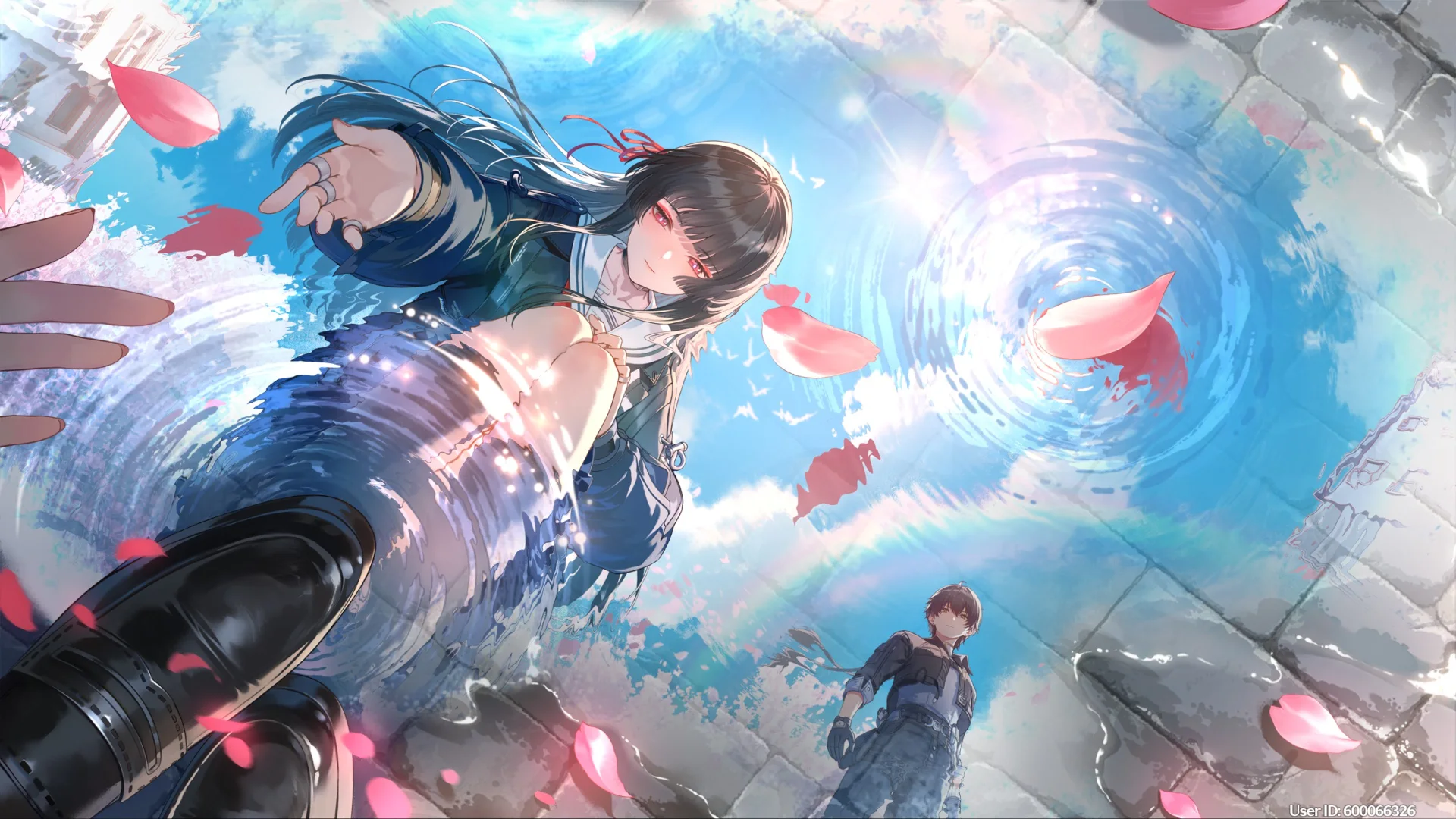
- A Street for You and Me Alone
- The Cherry Blossoms We Saw That Day
- Truth in the Color of Cherry Blossoms
I started playing Wuthering Waves on day one. Two years later, I have seven limited banner characters at S6, which is probably enough evidence that I have not been watching Kuro's recovery from a safe distance.
The game I play now can look and feel like an anime or a movie. Its combat is fast, its movement makes exploring fun, and its later regions have the confidence of a studio that knows exactly what it wants to make. It is easy to look at all of that polish and assume success was inevitable.
It absolutely wasn't.
Kuro switched from Unity to Unreal Engine and made much of its team learn new tools while building its first open world. Fourteen months into development, characters were still getting stuck on walls or floating above towns. The studio later rewrote around 90% of the story in roughly six months.
Then Wuthering Waves launched on May 23, 2024, with stuttering, crashes, overheating phones, awkward localisation and an opening story that many players struggled to follow. Its TapTap rating fell to 5.3 out of 10. Reaching 30 million downloads in less than three weeks proved that people were curious; it did not prove that they would stay.
Patches fixed the immediate damage, but later updates did something more important: they gave the game better music, stronger storytelling, more expressive animation and an identity beyond being compared with Genshin Impact.
Two years later, Wuthering Waves is available on PlayStation, Steam, Mac and Xbox. It won Players' Voice at The Game Awards 2025 and Google Play's Best Ongoing Game award for 2025. More importantly to me, it doesn't feel like the underdog anymore.
For me, Wuthering Waves has become a leading face of gacha gaming. It is now one of the games people use as a reference point when talking about responsive combat, enjoyable movement, character presentation and how dramatically a live-service game can improve after launch.
That success story did not begin with Wuthering Waves. It began with a UI designer, a much smaller studio and several mistakes Kuro could not afford to repeat.
Kuro Games started with a UI designer
Before Kuro Games, Li Songlun, better known internationally as Solon Lee, was a UI designer.
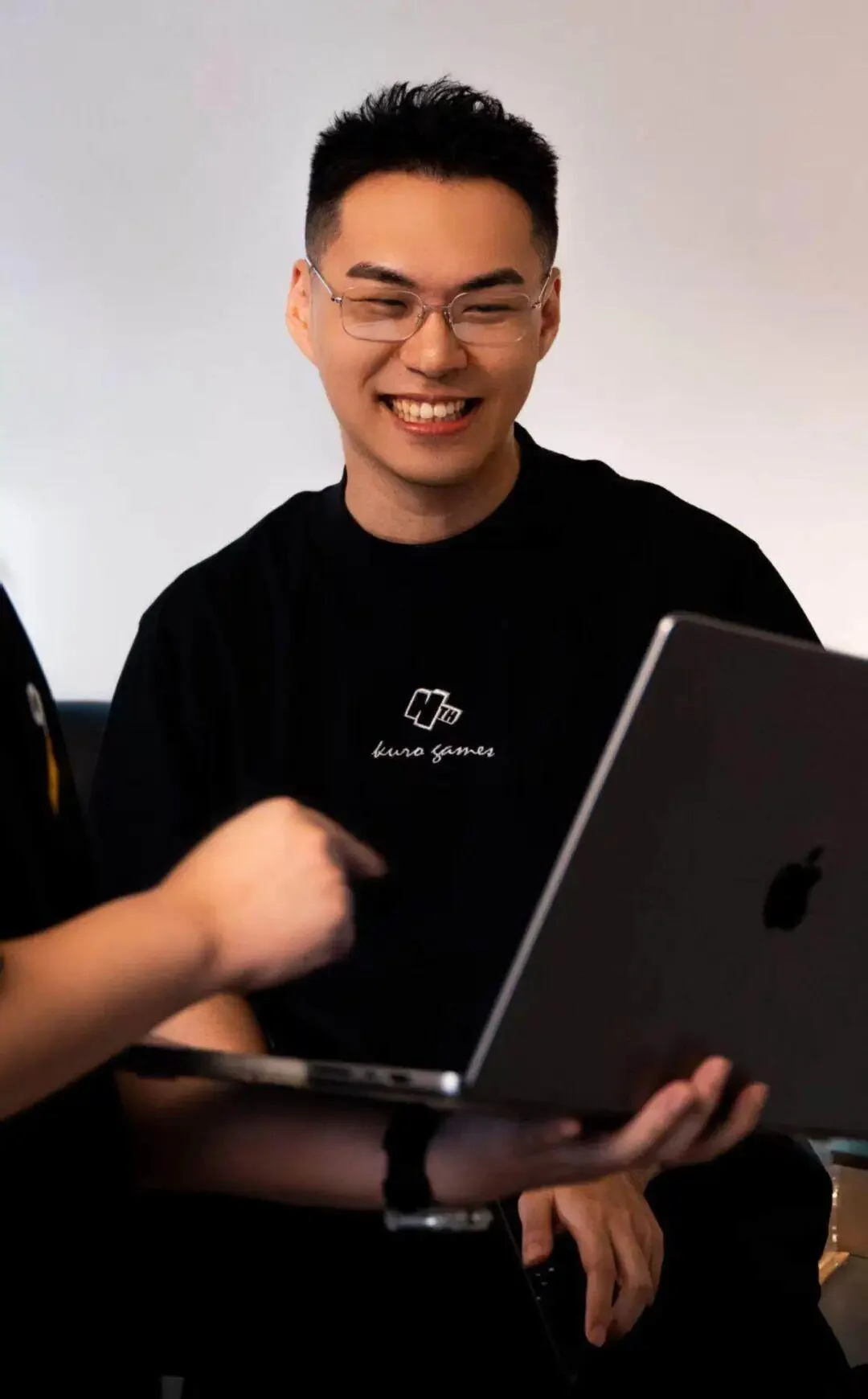
After graduating, he joined Lezhi Games, in 2013 and became the lead UI designer on Jipin Shenxian. By 2014, he was part of the founding team behind Kuro Games in Zhuhai. On the studio's first project, Twin Tail Battleground, he worked as both lead UI designer and lead planner.
That move from UI to planning is important. Lee was no longer only deciding how a game should appear on screen. He was helping decide what the game itself should be.
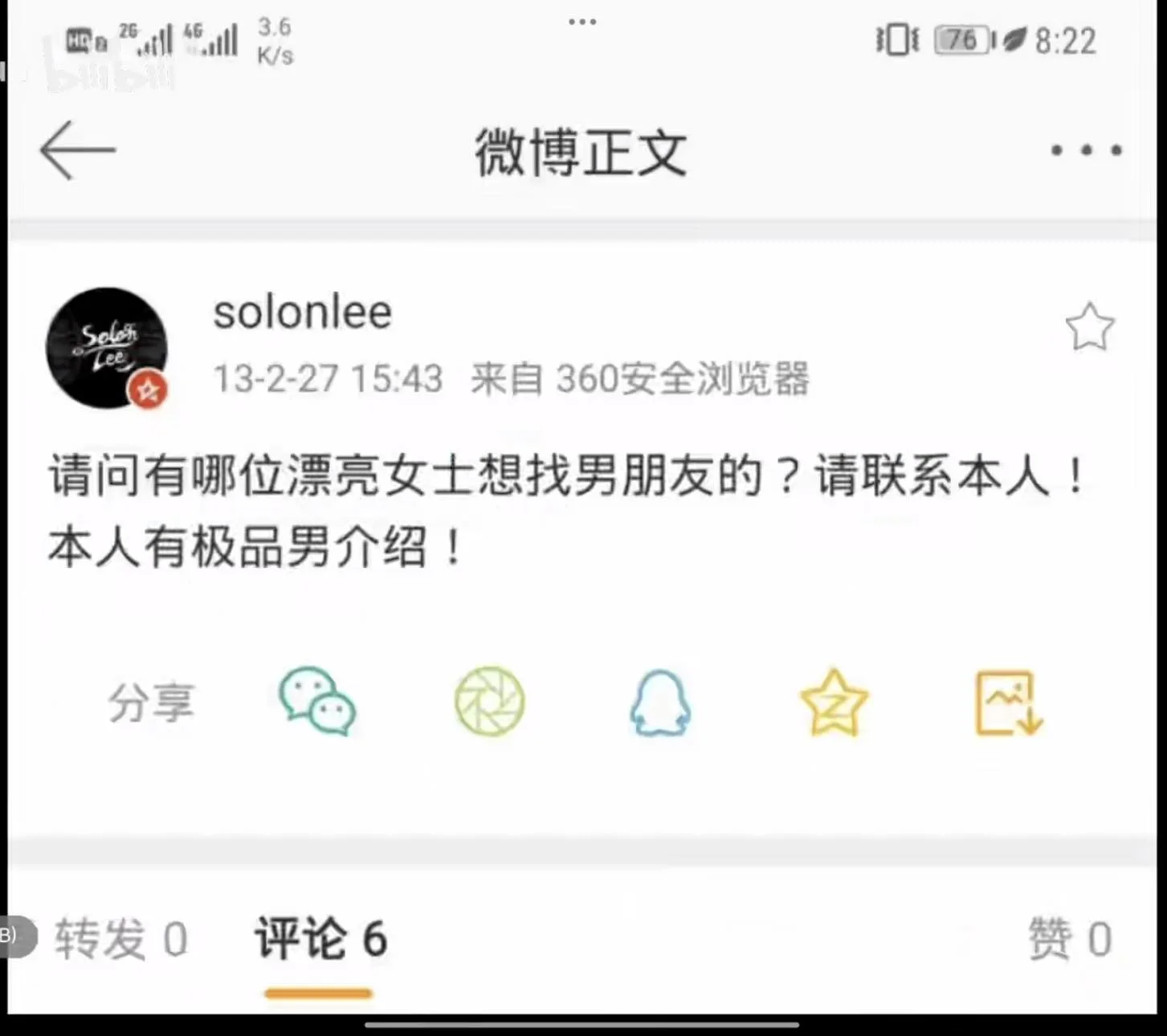
There is also a much less serious glimpse of Lee from those early years. In community-preserved screenshots believed to show his old Weibo posts, one post asks whether any "beautiful women" are looking for a boyfriend, before adding that there is "an exceptional man" to introduce.
A separate screenshot, dated April 27, 2013, reads: "Thinking it over, starting a business seems better... Let's start a business!"
Put together, the posts have become a community meme: no girlfriend, so he made a game company instead. The original posts are now hidden, so this is better treated as a funny community-preserved anecdote than a confirmed reason for founding Kuro Games.
Kuro's first goal was simply to survive
Looking back on Kuro's beginning, Lee said its original ambition was much simpler than the company's current scale: make something players liked, get noticed and earn enough to keep the studio alive.
It was a tiny team exploring different projects in a mobile market that was still taking shape. An early investment from the anime and comics platform Buka Comics moved the company toward anime-style content, and Lee said the team gradually discovered that it genuinely liked working in that space.
The more interesting part is that the studio wanted the anime style to support an identity rather than become the entire identity. Lee would later describe a good game as one with a clear "core expression" presented at a high level.
Twin Tail Battleground was Kuro's first hit
Only two years after Kuro was founded in 2014, the studio released its first game, Twin Tail Battleground. It was about fighting for the right to enjoy cute anime culture.
It began testing in China in June 2016. Its official listing describes a colorful 2D character-collection RPG with projectile-based combat. The premise was wonderfully ridiculous: cute anime culture had been banned, so a group of twin-tailed fighters went to war to bring it back.
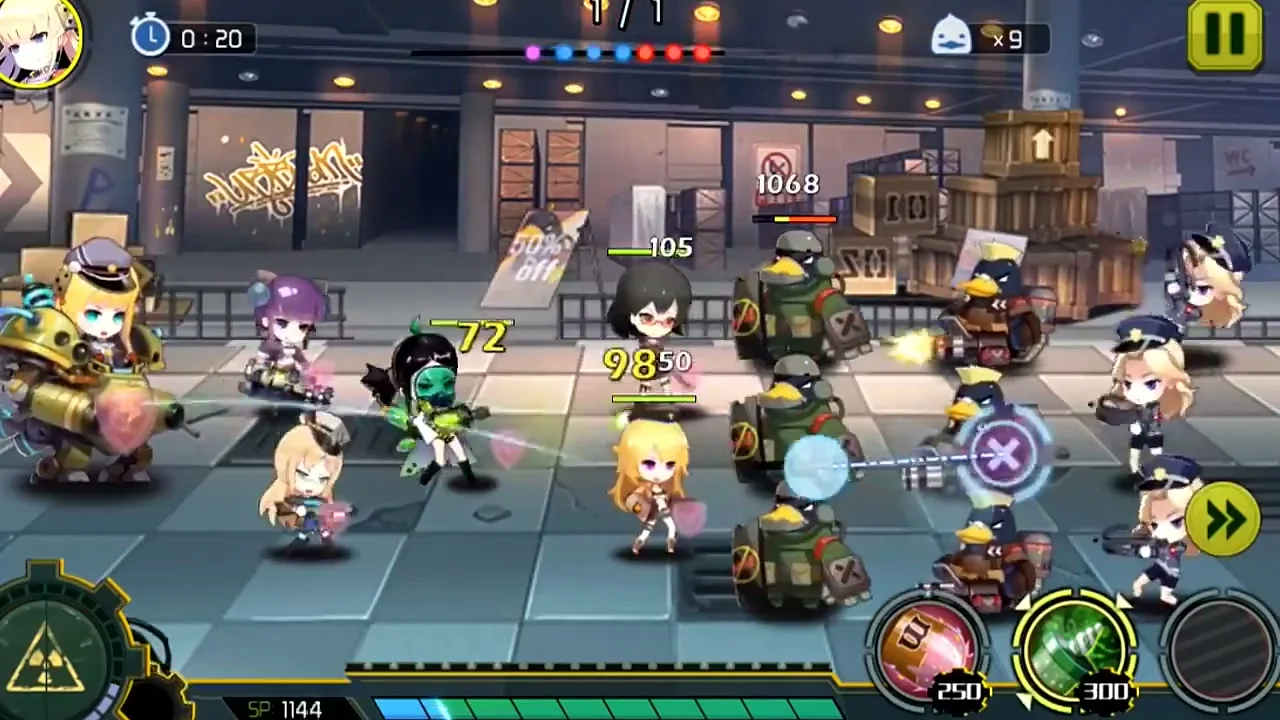
Its bright 2D artwork looks nothing like the darker action games Kuro makes now. The studio's personality was already there, though. It wanted its first game to be remembered for more than a pile of collectible characters.
And it worked. Twin Tail Battleground did amazingly well. A 2017 transaction filing reported that, by May 31, 2017, the game had passed 6.11 million registered accounts and 663,700 paying users. Gross player spending had reached RMB 187.6 million, roughly €24 million, and its monthly active audience peaked at 1.04 million in December 2016.
Those are "we made it" numbers, especially for a studio founded only two years earlier. Surely Kuro was safe now.
Well, no.
Kuro made a hit and handed away the steering wheel
For me, this is where Kuro made its biggest mistake. It didn't merely hire MorningTec to help publish Twin Tail Battleground. It gave MorningTec the exclusive right to publish and operate the game in the territories covered by their agreement.
Kuro still owned the game. MorningTec paid Kuro an upfront licence fee and then shared part of the game's revenue with the developer. That sounds reassuring, but owning the characters and code is not the same as controlling everything that happens around a live-service game.
MorningTec handled much of the work between Kuro finishing the game and players actually finding it. It helped test the game before release, advertised it, chose which stores and services would carry it, and negotiated with those platforms. After launch, it watched the player numbers and could adjust its publishing strategy. It could even arrange for another company to publish Twin Tail Battleground in other regions.
That gave MorningTec control over some of the most important ways the game reached and kept its audience. If players disliked the difficulty, felt pushed to spend money or simply stopped logging in, Kuro couldn't control the entire response by itself. It could work on the game, but decisions about advertising, stores, regional publishing and the wider operation still involved MorningTec. When a live-service game is losing players, having two companies responsible for different parts of the solution can make an already difficult recovery even harder.
That is why I think the arrangement hurt Kuro so much. Its first hit should have been the moment it learned how to speak directly to its players, react to their complaints and build its own experience in running a game for years. Instead, many of those responsibilities sat with its publisher. Kuro had created the success, but it had not built full control over the system needed to protect it.
MorningTec did not single-handedly kill Twin Tail Battleground. Kuro later admitted that it had failed to prepare enough future content and did not yet know how to keep a live-service game healthy. But that does not make the publishing deal harmless. Kuro's lack of experience was already a weakness, and depending on an exclusive operator made that weakness more dangerous at exactly the wrong time.
The hit lost nearly 70% of its monthly players
The numbers make the collapse hard to miss. Monthly active users fell from 1.04 million in December 2016 to 575,300 in May 2017, then to 327,000 in October 2017.

The game was difficult. Old guide pages are packed with low-budget boss strategies and warnings about enemies that could flatten an unprepared team. Twin Tail Battleground could be hard and confusing, yet still fail to turn that difficulty into satisfying long-term progression. It could frustrate players without being particularly good at selling them the solution.
Kuro's explanation focused on what happened after launch. Lee said the team hadn't prepared enough future content and hadn't given the game a strong enough reason to keep people around. He also said Kuro lacked experience in long-term operation and maintaining a healthy game ecosystem.
There was also a technical problem. Twin Tail Battleground had been built on Cocos, a set of game-development tools that formed the foundation for its graphics, animation and other systems. Kuro had designed that foundation around a 2D mobile game. When the team wanted to add more 3D characters and gameplay, it couldn't simply place them on top of what was already there without rebuilding major parts of the game. Cocos itself is not limited to 2D; the problem was that Twin Tail Battleground's existing structure had not been made for the larger 3D game Kuro now wanted to create.
The market was moving toward 3D as well. Games such as Honkai Impact 3rd were showing players what anime action games could look like with fully 3D characters and combat. It didn't walk into Kuro's office and switch off the servers, but it made Twin Tail Battleground's 2D presentation look old at the worst possible time.
Players turned the shutdown into a gacha shrine
The shutdown notice stopped purchases on September 1, 2018, and closed the Chinese servers on December 31, 2018. Kuro's farewell told players that Punishing: Gray Raven was already in development and that the team hoped to meet them again in another world.
That should be where Twin Tail Battleground's story ends.
But years later, the game's reviews have become a gacha shrine. Players call Twin Tail Battleground Kuro's ancestor, leave virtual offerings and ask it to bless their pulls in Punishing: Gray Raven and Wuthering Waves.
The live service went offline. Blessings for your pulls remain available 24/7.
Kuro didn't walk away with nothing. It earned money, found an audience and learned how quickly a successful live-service game can fall apart. More importantly, it learned that its next game needed stronger technology, a clearer identity and a much better plan for staying alive.
Punishing: Gray Raven gave Kuro its identity - and its worst lesson
Kuro did not abandon anime characters or action combat after Twin Tail Battleground. It rebuilt those ideas in 3D, but it did not make that leap alone.
Hero Entertainment, now known as Hero Games, first invested in Kuro in 2017 while Punishing: Gray Raven was still in development. It added another RMB 30 million, roughly €3.8 million, in October 2019, shortly before the game's public launch.
The support was not limited to money. In an interview with Hero's president, he said the company sent two lead programmers to help Kuro with server architecture, hot updates and performance optimisation. Hero also assisted with technical art and building an operations team.
That timing matters. Hero did not arrive after PGR had already become successful and collect part of the credit. It backed a small studio attempting its first 3D game and gave it access to experience it did not yet have internally.
The finished game showed why Hero had taken the risk.
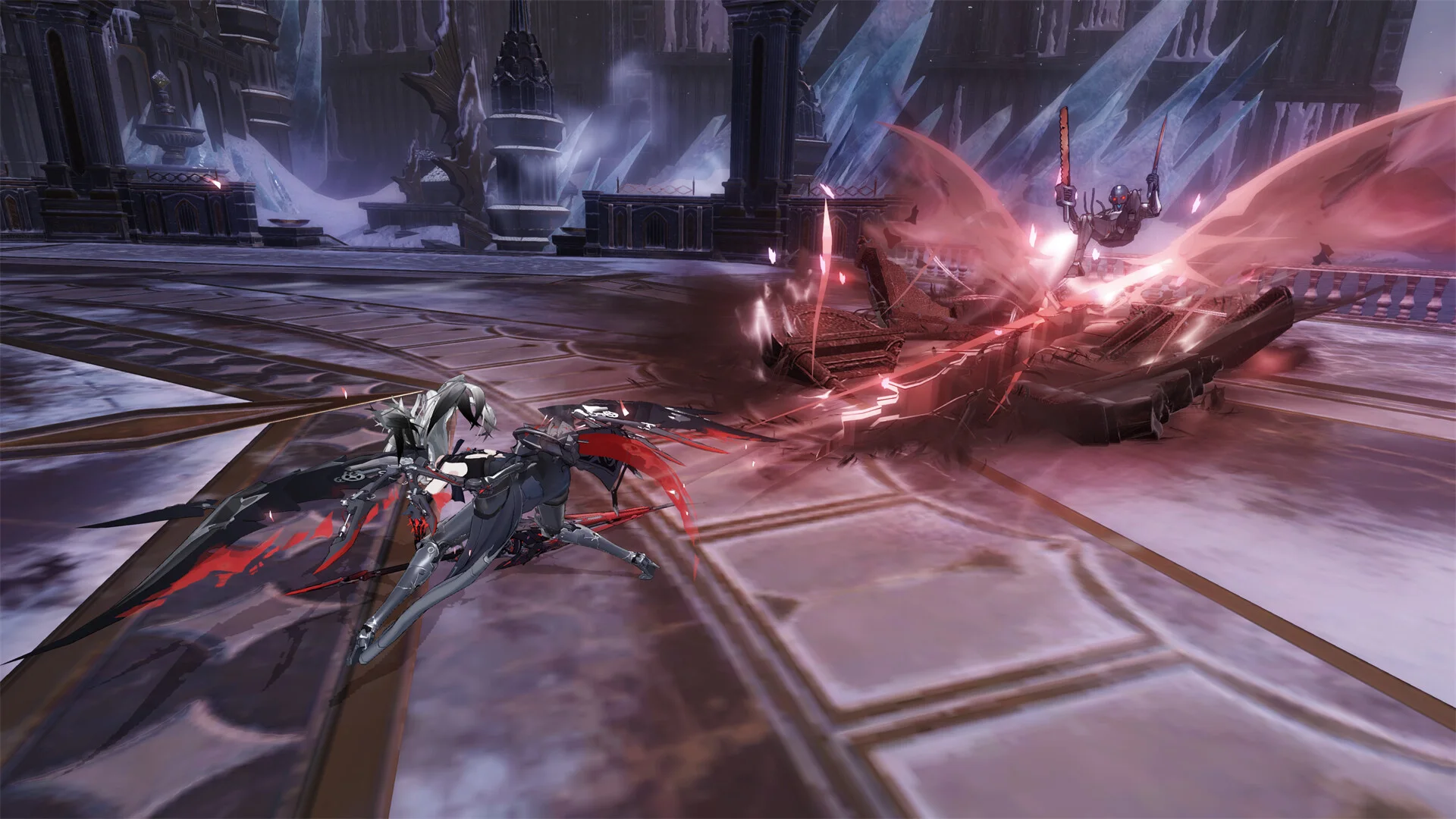
Punishing: Gray Raven combined fast 3D action with an unusual three-colour Signal Orb system. Dodging at the right moment could trigger Matrix, characters could be switched during combat, and each Construct had its own resources, timing and rhythm.
This was where Kuro found the combat language it would later bring into Wuthering Waves. A new character was not supposed to be the same fighter with a different element and larger numbers. They were meant to change how the game felt in your hands.
After PGR launched and reportedly generated RMB 270 million, roughly €34 million, during its first month, Hero invested another RMB 342 million, roughly €44 million, to increase its stake in Kuro. The early promise had attracted support. The game's actual performance convinced Hero to commit much more.
Unfortunately, the road between those two points was not calm.
The beta disaster ended in cosplay
An early closed test ran into server crashes, rollbacks and enough bugs to make Kuro's technical problems impossible to ignore.
The developers had apparently made a promise before the test: if the servers crashed, they would dress up.
The servers crashed.
Rather than quietly forgetting that promise, Solon, planner Dong and a programmer known to the community as Wang appeared on stream dressed as Ram, Rem and Liv. The game's official Bilibili account still hosts the replay.
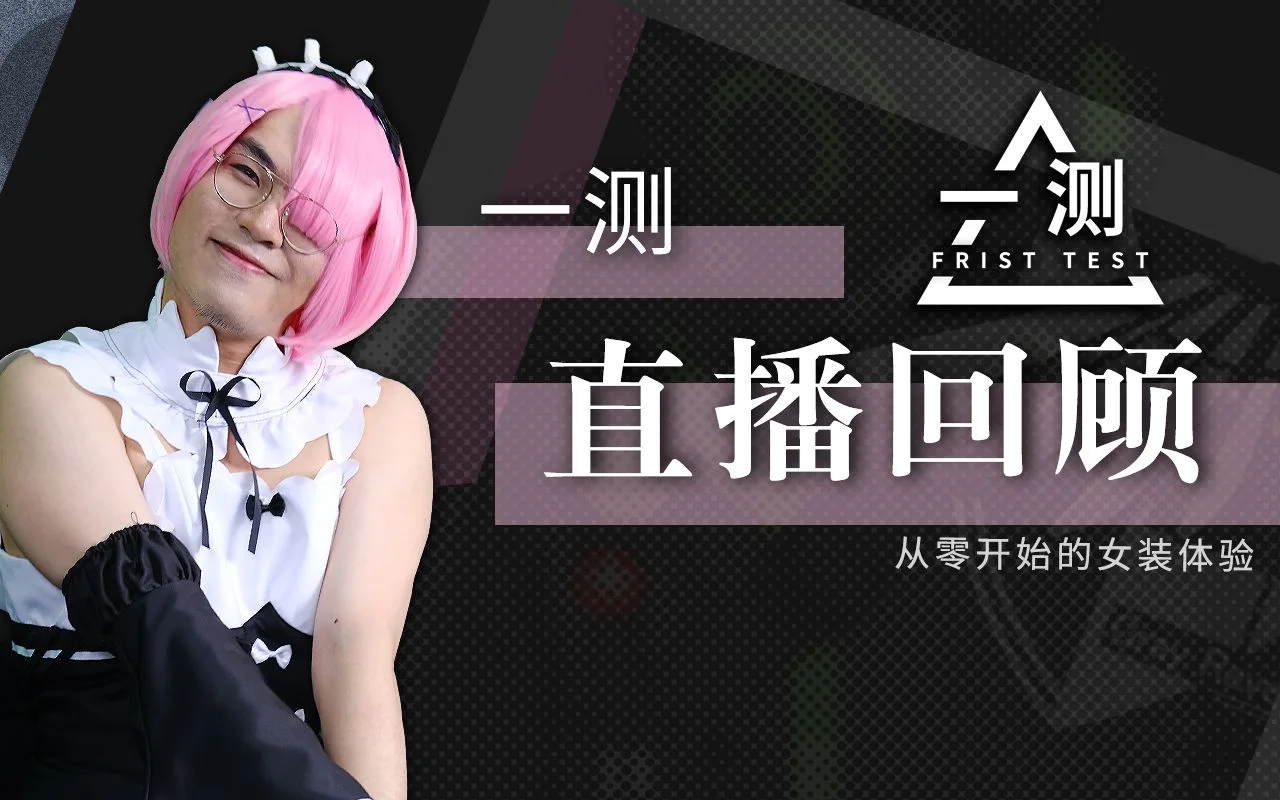
It was not standard crisis communication. It was three developers accepting that the players had won the bet and embarrassing themselves publicly.
The cosplay worked because it made the team feel human. This was still a free closed test with data that would eventually be deleted, so players could laugh at the server problems while watching Solon dressed as Ram.
A paid public launch would be much less forgiving.
One extra zero nearly buried the game
Punishing: Gray Raven launched in China on December 5, 2019. Players could now spend real money, and some had already done so when the first major problem appeared.
The game's introductory ten-pull was supposed to cost 1,500 Black Cards, but it was charging 2,500. Kuro planned to return the 1,000 difference.
Then came the Kuro Games classic typo before it was a classic.
Reports from the time say a compensation mail intended to contain 1,000 instead arrived with 10,000 Black Cards. One extra zero had entered the game's premium economy on its first day.
That was enough for 40 pulls. By pull count, the equivalent in Wuthering Waves would be 6,400 Astrite.
For a gacha game, this is close to a launch-day horror story. Some players claimed and spent the currency. Others never received it. Kuro took the servers offline and attempted to recover the mistake through rollbacks and currency removal.
The recovery was not consistent. Reports from the time describe some players being rolled back while others were not, turning an already enormous compensation error into a fairness problem. People who had paid were now trying to understand which purchases, pulls and progress would survive.
The game's TapTap rating collapsed. Kuro had spent years building its second chance and then managed to put the entire thing at risk within hours.
Cosplaying as Rem and Ram was not going to solve this one.
"We came out because we see you as people"
Kuro did not wait several days to respond. Later on December 5, 2019, the same day Punishing: Gray Raven launched, Solon and Dong appeared in another livestream to apologise and address the problems. This time there were no costumes. They sat in front of a green screen, read an openly angry chat and tried to explain what Kuro would do next.
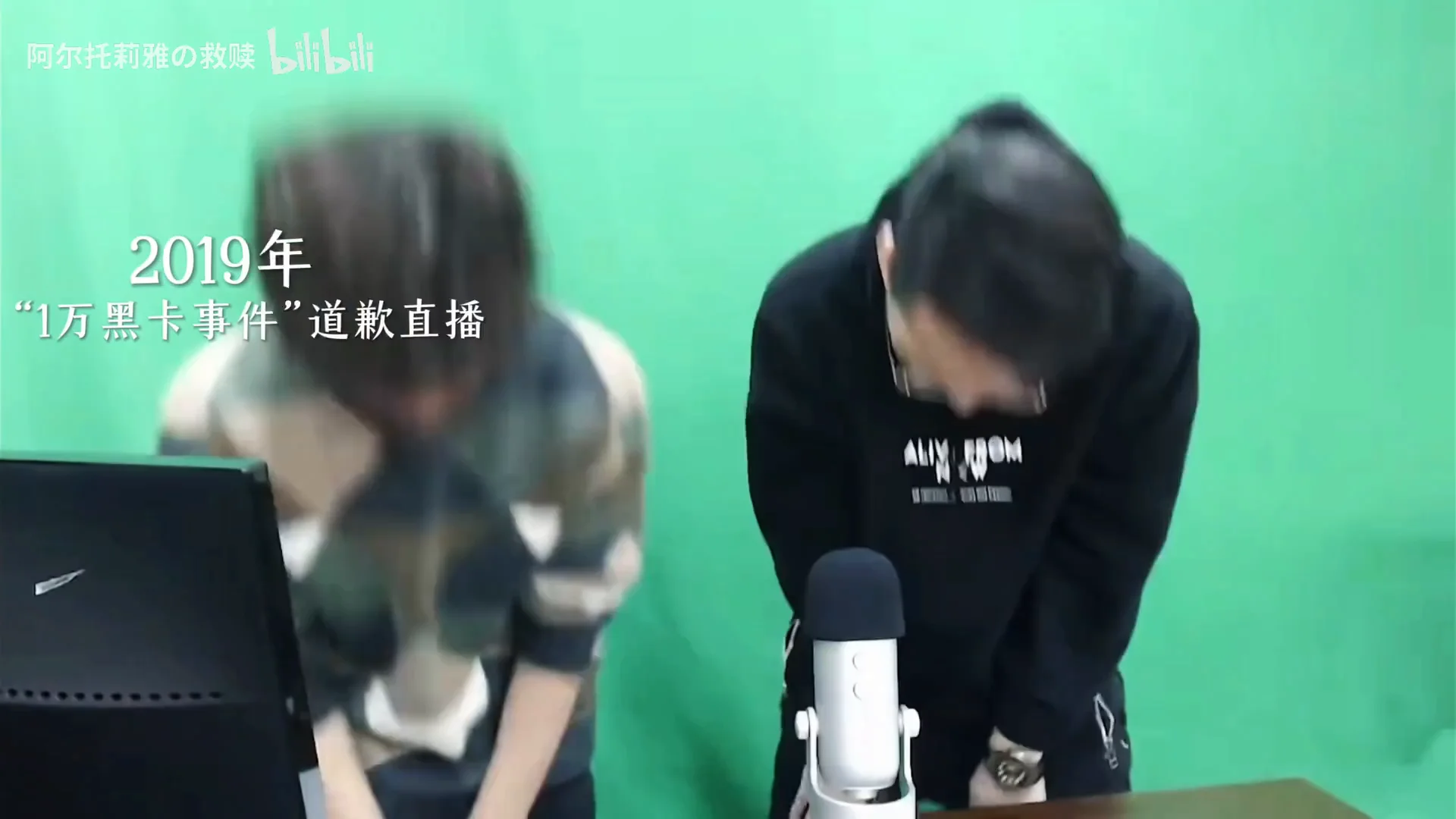
One comment put the accusation bluntly:
"You don't treat players like human beings."
Solon answered with the line that followed him for years:
"We're here livestreaming because we do treat players as human beings."
It was not a polished answer. Removed from the surrounding conversation, it sounded defensive enough to become a meme almost immediately. At that moment, players had little reason to trust what he meant by it.
That is what makes the line more interesting in hindsight.
Kuro did not regain trust because Solon found the perfect words during one livestream. He clearly did not. The company had to make the sentence true after the fact.
Over the following months, Kuro kept updating the game, replying to players and changing systems that were receiving broad criticism. Official representatives became familiar sights in community discussions, sometimes responding late at night. New versions brought substantial story chapters, characters, modes and mechanical improvements.
Not every complaint was fixed, and "the developers listened" should never become a shield against criticism. What changed was that players could increasingly point to things Kuro had actually altered rather than only promises it had made.
A year after launch, even Kuro was comfortable joking about its old server reputation. For PGR's first anniversary, the company ran an event in which players could bet on whether the anniversary update would crash the servers.
That is one way to process trauma.
From a launch disaster to NieR and Devil May Cry
Punishing: Gray Raven survived its launch, expanded outside China in 2021 and became a long-running game rather than another cautionary story about a failed first day.
It later collaborated with NieR:Automata, bringing 2B, 9S and A2 into the game. Years later, Kuro followed that with an official Devil May Cry 5 collaboration, featuring Dante and Vergil.
A collaboration is not an objective certificate of quality. Still, the distance travelled is difficult to miss. The game that nearly destroyed its reputation through a single extra zero eventually shared the screen with two of the most recognisable names in action gaming.
Kuro's playfulness survived as well. The developers later wore masquerade masks for the Rinascita preview. Apparently, presenting an update while dressed normally was never added to company policy.
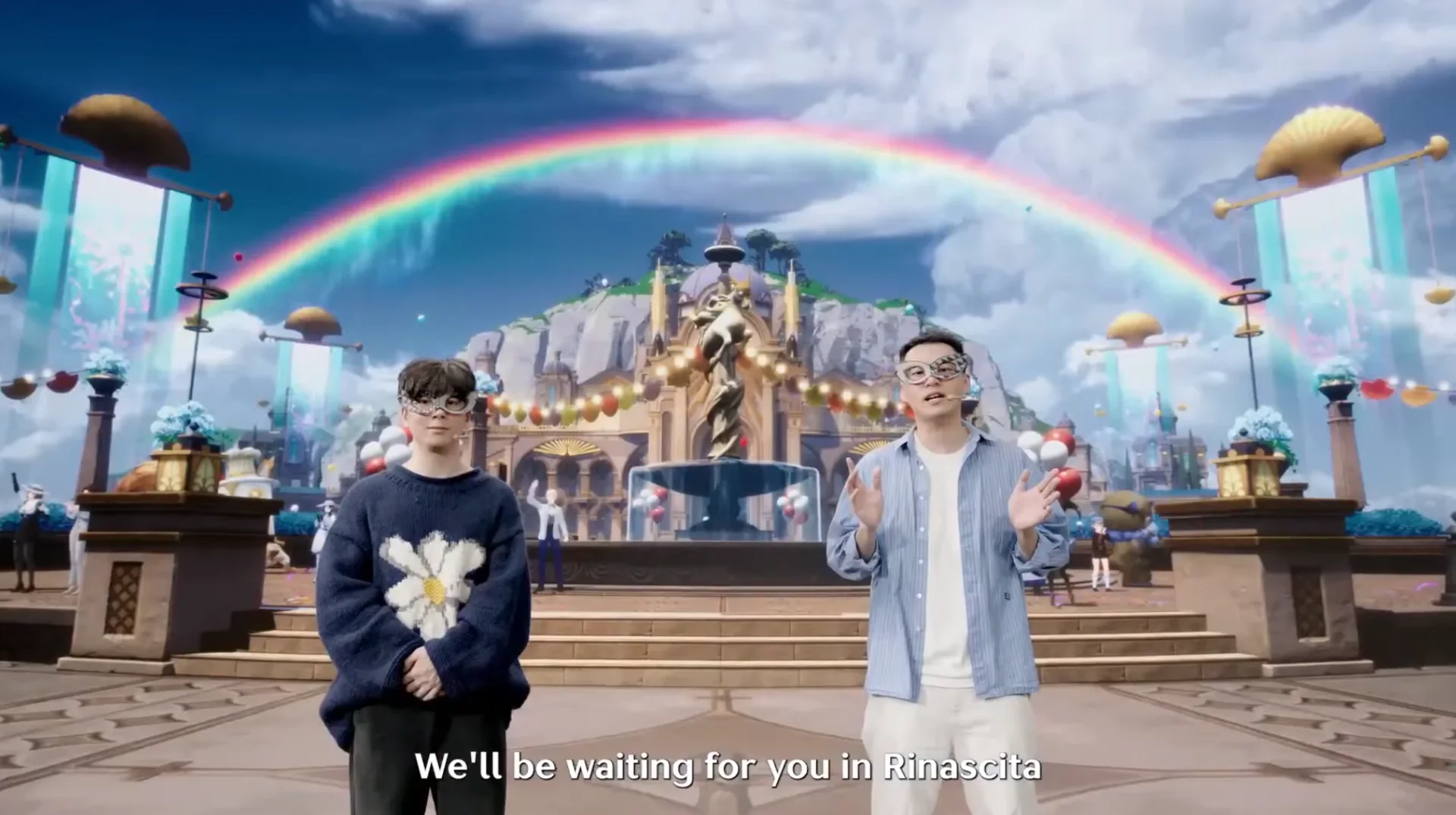
Punishing: Gray Raven gave Kuro more than its combat identity. It taught the studio how quickly a live-service game can lose trust, how slowly that trust returns and why speaking directly to players matters only when the updates that follow support what was said.
Wuthering Waves inherited PGR's combat experience, Kuro's live-service scars and the studio's strange willingness to place its developers in front of an angry livestream chat.
But taking all of that into an open world would be a much bigger test.
Wuthering Waves inherited more than a few ideas
Kuro did not leave Punishing: Gray Raven behind and start from nothing. It has said that a significant part of the Wuthering Waves team came from PGR, bringing years of experience with action combat into the new project.
You can feel that history while playing. Precise dodges, quick character switching and animations that show how each character is meant to move all grew from things Kuro had already learned through PGR. Wuthering Waves expanded those ideas across a much larger world, but its combat foundation was already there.
PGR also showed Kuro the limits of what it had built. Its missions took place in contained stages, while Solon Lee wanted an action game with room to explore and enough space to keep growing for years. Wuthering Waves was Kuro's attempt to take what already worked and build something much bigger around it.
That also meant leaving familiar ground. Knowing how to make a good action game did not mean Kuro knew how to build an open world.
Leaving Unity meant throwing away years of muscle memory
Kuro had spent years making Punishing: Gray Raven in Unity. For Wuthering Waves, it moved to Unreal Engine 4.26.
That was not a simple graphics upgrade. It meant taking the experience, tools and habits built around PGR and learning how to make the same studio function inside a different engine. In a 2025 interview with Guangzhou Daily, Solon said the engine and rendering challenges forced people to relearn skills and, in some areas, rebuild teams.
There were good reasons to accept that pain. In Kuro's official Unreal Engine interview, Solon said the team chose UE4.26 because it was stable and mature, then incorporated selected UE5 features as its needs grew.
Unreal did not magically make the game prettier. It gave Kuro a stronger set of tools for the much larger game it wanted to build. The team could create a stylised day-and-night lighting system, keep anime-style characters consistent inside changing 3D environments, and use Sequencer for much finer control over cameras and story scenes. Niagara handled the effects wrapped around Echo abilities and combat.
Those benefits reach almost everything the player sees. Lighting has to work on a character at noon and at night. Weather has to change without making that character look pasted onto the world. Combat effects have to remain readable while the camera, enemies and terrain are all moving. The same content then has to run on both a PC and a phone that may already be planning its retirement.
The trade-off was that years of Unity knowledge did not transfer one-to-one. Programmers had a new engine structure. Artists had new lighting, material and rendering tools. Designers had to rebuild the way they assembled and tested content. Kuro knew how to make excellent action combat, but almost everyone involved had something new to learn while production was already moving.
That is the important part of the engine switch. Unreal gave Kuro more room to chase the game in its head, but first the team had to learn how to use that room without tripping over the furniture.
Fourteen months in, the open world was breaking in new ways
At a TapTap developer event on July 30, 2022, Solon looked back on the first 14 months of development and admitted that Kuro had been far too optimistic about the difficulty.
In the published transcript of his presentation, he divided the crisis into four parts: building an industrial production pipeline, finding experienced people, waiting through long development cycles before an idea could be properly tested, and dealing with a ridiculous number of small problems.
The small problems produced the most memorable examples. A wall-running character could get stuck against the environment. A town could look fine one day, only for the team to open the project later and discover characters floating in mid-air.
The wall bug did not literally cause the floating characters; Solon was describing two examples of the chaos. The larger point was worse. In an open world, terrain, NPCs, quests, movement, combat, weather, rendering and streaming all have opportunities to interfere with one another. Fixing one issue can uncover another issue that was patiently waiting behind it.
Readers do not have to imagine what the game looked like during this period. Kuro released its first gameplay trailer on May 27, 2022, shortly before Solon's presentation. The description openly warned that the game was still early in development and that its graphics might not represent the intended quality.
The trailer already contains ideas that survived into the finished game, including fast combat, wall-running and movement through a large open environment. Visually, however, it almost looks like a different game. The characters have unusually large heads compared with their bodies, giving them a more toy-like shape than the models used today. Faces, hair, clothing and materials have less detail, while the pale lighting makes parts of the landscape look flat and washed out.
That is not an insult to an early build. It is useful evidence of how much work remained. The trailer shows that Kuro had found the basic identity of Wuthering Waves, but not yet the character proportions, rendering quality or visual finish that now make the game recognisable.
Kuro also lacked some of the key people it needed. Solon said developers with experience leading this kind of large open-world production were rare, and persuading them to bet on a smaller studio was difficult. PGR had taught Kuro how to make a tightly controlled action stage. It had not taught the studio how to make an entire landscape behave.
After 14 months, Wuthering Waves existed, but it was far from the game Kuro imagined. The early footage and test builds showed rough character models, uneven rendering and a story that would eventually be replaced almost in full. Kuro had the ambition. It was still building the machine required to deliver it.
Tencent bought in, but not with a public billion-dollar cheque
The state of the project did not stop larger companies from noticing its potential.
In March 2023, Tencent acquired a 14.33% stake in Kuro Games. That matters: one of the largest games companies in the world had looked at Kuro's unfinished open-world gamble and decided it wanted a seat at the table.
It is also where the story often becomes exaggerated. I have seen the investment described as Tencent giving Kuro "billions," but the transaction price was not disclosed. The small registered-capital figure in the corporate filing is not the purchase price either. There is no reliable public number that lets us call it a billion-yuan investment.
Contemporary reporting was more careful. An industry analyst told 21st Century Business Review that Tencent would probably provide substantial development funding and could help with publishing services if Kuro asked, while allowing the studio to operate independently.
There is documented technical support too, although it should not be confused with the share purchase. A Tencent Cloud case study says Wuthering Waves used its server, security, anti-cheat, testing and global delivery technology. It also describes animation tools that reduced repetitive skinning work. That is real expertise Kuro could use; it is not evidence that a Tencent rescue squad arrived and fixed the game overnight.
The visible change was scale. Kuro hired, expanded and moved into the Xiaomi Building in Guangzhou's Pazhou technology district. The studio that once presented itself from small rooms and plastic stools was now surrounded by some of China's largest technology companies.

The marketing budget became just as visible. Wuthering Waves appeared in subway stations, across large outdoor screens and even in Times Square. If a wall stayed empty for too long, Kuro seemed ready to put Rover on it.
Tencent's investment, Kuro's expansion and the game's improvement all happened in the same broad period. It is reasonable to say the extra money and connections gave Kuro more room to finish the project. It would be a step too far to claim every later improvement happened instantly because Tencent arrived. Kuro still had to do the rebuilding itself.
Kuro tore up 90 percent of the story
Kuro opened the first closed beta on April 24, 2023. By the time it ended on May 12, 2023, one thing was clear: the early version was not good enough.
Players criticised the story, character relationships, models, colour palette and general presentation. Kuro could have changed a few scenes and hoped that the combat would distract everyone.
Instead, it chose the option that must have made every production schedule cry.
Kuro later said it had rewritten around 90% of the original story after the first closed beta. The team had spent two to three years on that version and then rebuilt most of it in roughly six months.
Rewriting a game is not the same as editing a document. New dialogue has to be recorded. Animations and camera work have to match it. Quests, supporting art and cinematics have to be changed around it. A decision made by the writers can walk into several other departments and ruin their afternoon.
Character models received major revisions. The world gained more colour, the rendering became cleaner, and relationships that had been openly hostile to Rover in the first test were rewritten to be much more welcoming.
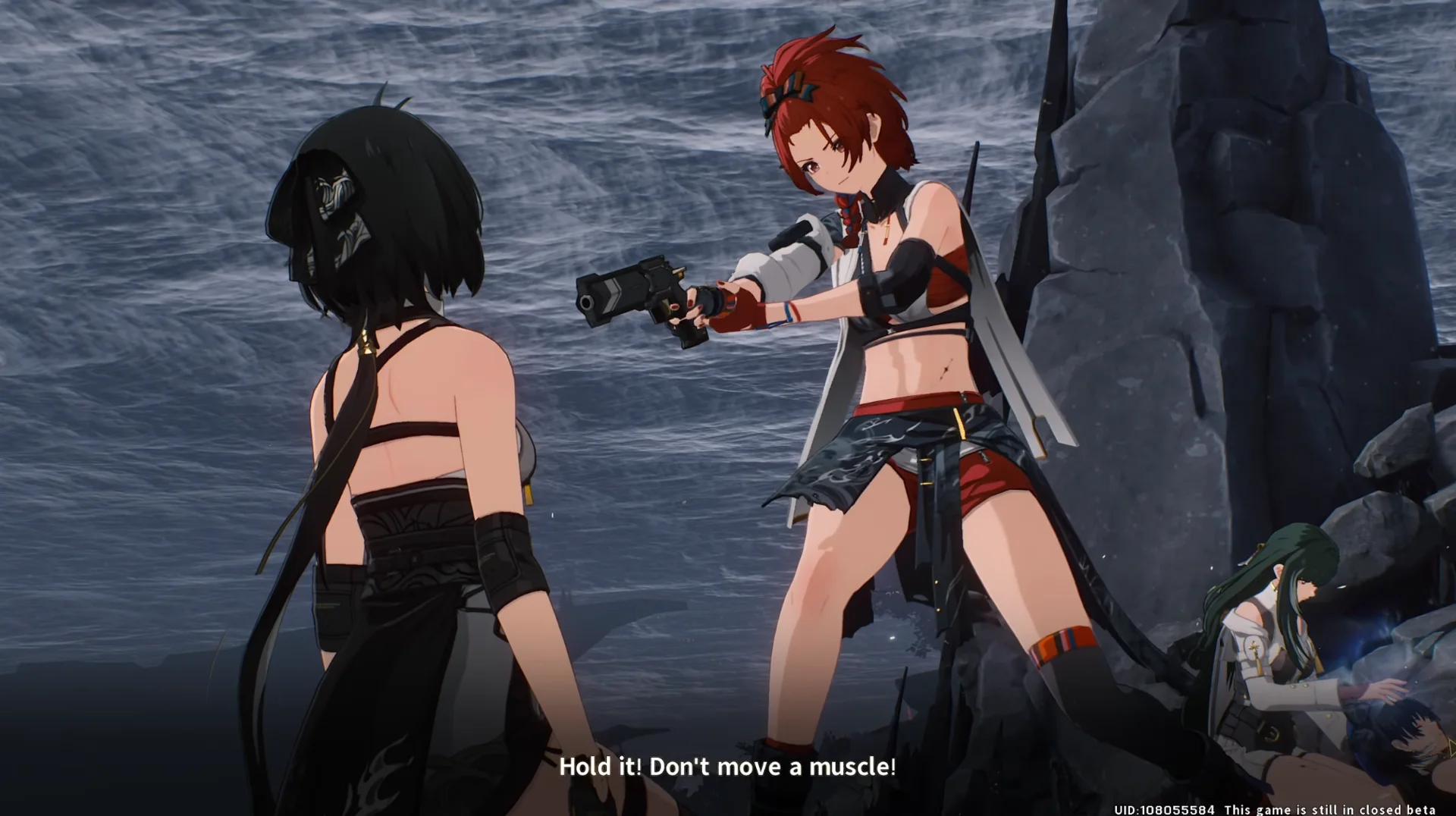
The second closed beta looked dramatically better. That improvement was real, but so was the danger: rebuilding 90% of a story in six months does not leave much time for the new version to settle.
Launch was about to expose everything that still had not settled.
Launch day put every unfinished problem on display
When Wuthering Waves launched globally on May 23, 2024, it sometimes felt as if Kuro had repeated PGR's mistakes with more platforms, more languages and several million extra witnesses.
The technical problems were not internet folklore. In an official notice published on launch day, Kuro listed stuttering, freezes, frame drops, overheating, blurry graphics, crashes and sudden exits across supported devices. The notice even advised players with severe heat or crashing problems to lower their graphics settings.
The opening story had another problem: it introduced a wall of terminology before giving many players a reason to care about it. In China, Solon later named the story experience as one of the reasons the game's TapTap rating fell so sharply.
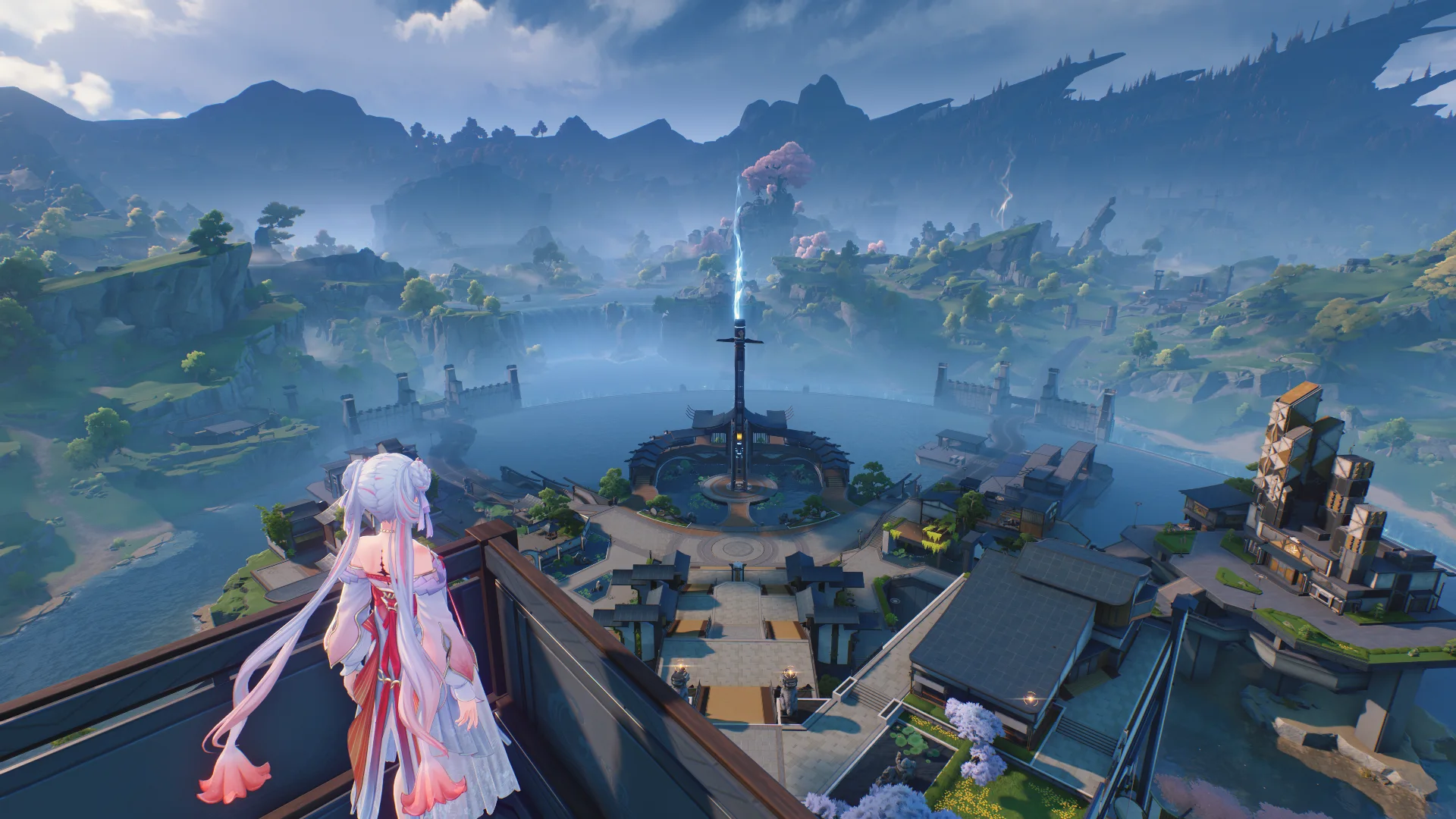
Japan had its own version of the same frustration. A launch review from 4Gamer noted that even the game's Japanese title, 鳴潮 (Meichō), is not a word people normally encounter in Japanese. The review also described the flood of specialised terms as difficult to read. Names and concepts arrived faster than the story could make them memorable.
The English dub drew criticism for a different reason. Much of the cast was British, but the actors had initially been directed to use American accents. The result could sound restrained or inconsistent, and Kuro's localisation team later said actors would no longer be required to use an American accent if it made them uncomfortable.
The music did not escape criticism either. I would not call the entire 1.0 soundtrack bad, but much of it was easier to forget than the music Kuro produced later. The Black Shores would make that difference painfully obvious.
What made the launch so frustrating was that the combat was already excellent. Dodging, parrying and swapping characters felt responsive. Players could see the game Kuro wanted to make underneath the bugs, awkward localisation and opening story.
TapTap scores games out of 10, with 10 being the maximum. There is no official line where a score becomes "good," and live-service ratings can change with every update, but the comparison still gives the number some meaning. As of August 2026, Punishing: Gray Raven has an 8.1, while Zenless Zone Zero has a 6.7.
Wuthering Waves fell to 5.3. That did not mean its reception was merely average. It was a poor launch rating and a very public sign that players were unhappy.
Kuro had spent years trying to prove that it could build something larger than PGR. Launch day gave people several good reasons to wonder whether it had grown too quickly.
Solon put the 5.3 score on the screen
Kuro responded with apology notices, compensation and patches. The patches arrived quickly. Sometimes they were quick enough to impress me, and sometimes they were quick enough to make me worry about the people producing them.
On May 28, 2024, five days after release, a photograph posted to the Wuthering Waves Baidu Tieba was described as showing Kuro's Guangzhou office at 10:30 p.m., with rows of lights still on.
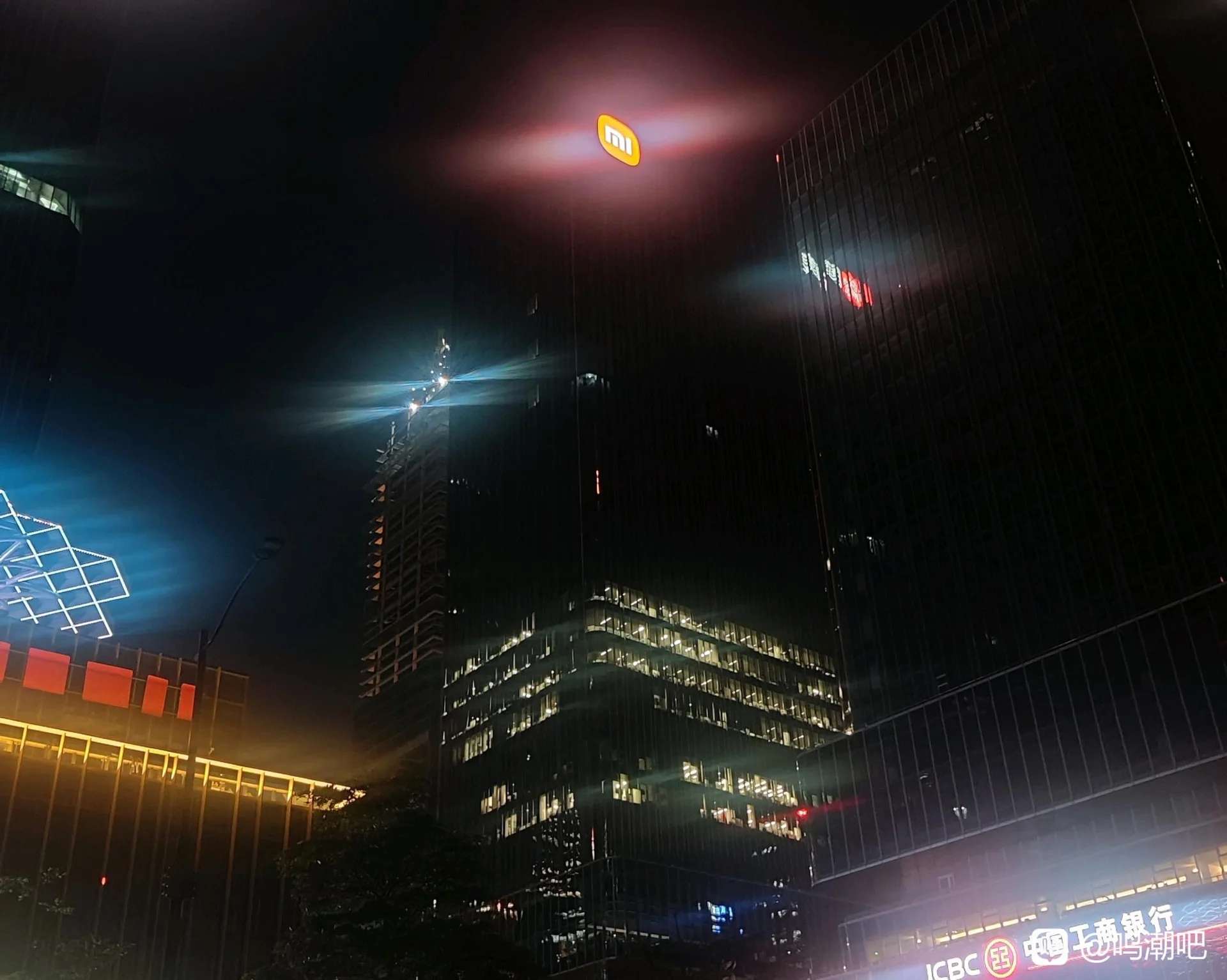
Office windows cannot tell us who was inside or what every person was doing. Still, the date matters. This was five days after launch, while Kuro was publicly releasing patches and investigating bugs, crashes and performance problems. It is very likely that at least some of those illuminated offices belonged to people working through the launch issues, even if the photograph cannot prove exactly which fix was open on which screen.
At a TapTap developer event in July 2024, Solon did something more useful than pretending the 5.3 rating was somebody else's problem. He put it in his presentation and explained it.
He named the failures himself: localisation, story experience, performance, too many bugs, inconsistent content quality, immature operations and a customer-support backlog that had grown beyond 100,000 tickets. He also said the game's downloads and revenue had exceeded Kuro's expectations, but did not use that success to dismiss the criticism.
In a January 2, 2025 interview, he put the launch even more plainly:
"Problems were everywhere. There were so many problems."
That is much closer to the game players experienced than a polished promise to "optimise the user journey." Solon did not argue that everyone had misunderstood the masterpiece hiding inside their overheating phone. He acknowledged that the game was a mess.
Kuro rebuilt the game while everyone was watching
Patches kept arriving. Kuro adjusted performance, targeting, controls, menus, progression, Echo development and other quality-of-life systems. Free Astrite certainly made the apologies easier to accept, but the steady improvements to the game mattered more.
The more important change was that feedback did not seem to disappear into a survey and die there.
Solon said global self-publishing gave Kuro the shortest possible route between players and developers. That is almost the exact opposite of the arrangement behind Twin Tail Battleground. MorningTec had handled the player-facing side of Kuro's first hit. With Wuthering Waves, Kuro could see what players were angry about and decide what to change without waiting for an outside publisher.
That does not make Kuro unique, and "the developers listened" should never become a magic phrase used to end criticism. Every live-service studio says it listens. The difference is whether players can point to the result inside the game.
With Wuthering Waves, they increasingly could. Performance improved. Basic systems became less irritating. Later updates gave the story, music and presentation room to become strengths instead of recovery projects.
The TapTap score had already recovered from 5.3 to 6.3 by Solon's July 2024 presentation. As of August 2026, the official TapTap listing shows 7.1.
A store rating is not a complete measure of quality, but that direction matters. Kuro did not erase the launch. It kept putting out changes until the launch stopped defining every conversation about the game.
That is the part of Kuro's reputation I find most interesting. The company does not avoid mistakes; it has made some spectacular ones. Its strength is what happens after the mistake becomes public.
The Black Shores was the real turning point
Patches made Wuthering Waves easier to play. The Black Shores was where it started to feel confident.
Version 1.3 arrived on September 29, 2024, a little over four months after launch. Version 2.0 later showed how much larger the game could become, but I do not think Rinascita began the turnaround.
For me, it started with the Black Shores.
This was the first update where the music, story, gameplay and animations all felt like they belonged to the same vision. The Black Shores felt isolated and solemn, almost like a place separated from the rest of the world. It was beautiful, but there was also loneliness running through it.
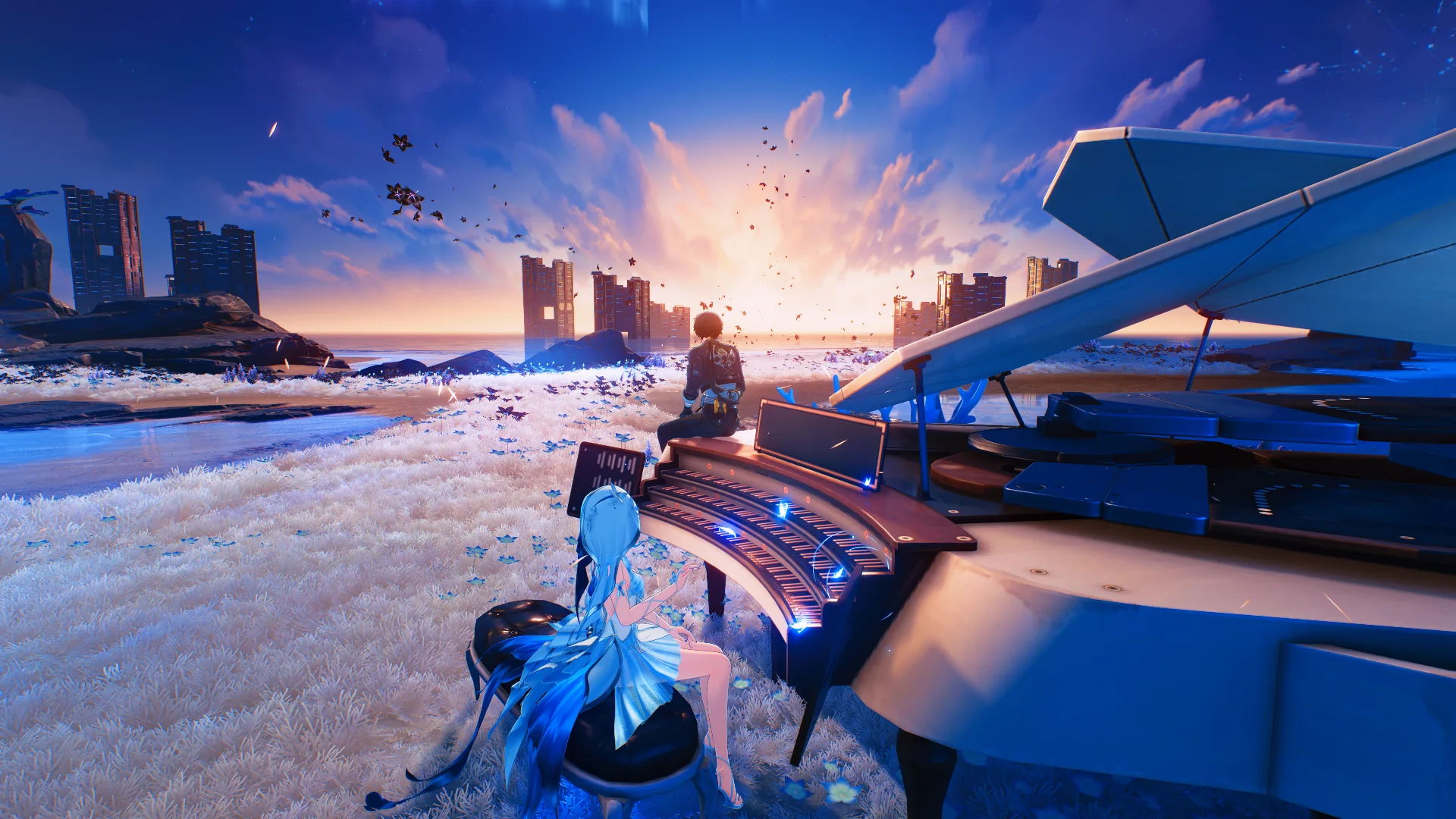
The music was a huge part of that. The whole Into the Depths album feels inseparable from the Black Shores. The tracks may sound different from one another, but they all carry the same lonely and solemn atmosphere as the region.
I do not know a more technical way to put it: it simply sounds like the Black Shores.
It feels nostalgic to me now too. Maybe that is partly because the update is almost two years old, but hearing the album immediately brings me back to the sunset, Tethys' Deep and Shorekeeper.
The music did not just make a few scenes more emotional. It became part of how I remember the entire update. The same is now true of the game's other regions: their soundtracks feel tied to the places where I first heard them.
The story was more focused, and exploring the region felt connected to that story rather than like an activity placed between dialogue scenes. Music, art, combat and presentation were finally supporting the same mood.
This was when Wuthering Waves stopped feeling like a game permanently apologising for its launch. People were no longer only asking whether it could recover. They were beginning to look forward to what Kuro would do next.
Version 2.0 made the progress impossible to miss
Version 2.0 arrived on January 2, 2025, only 95 days after Version 1.3 introduced the Black Shores. Rinascita built on that confidence with a much larger region and more ambitious ideas.
By Version 2.0, Kuro's work was clear as day. The environments were richer, the character models and lighting looked far more polished, and story scenes were being directed with much more care. "AAA" is a vague label, but Rinascita had the kind of production quality people usually mean when they use it.
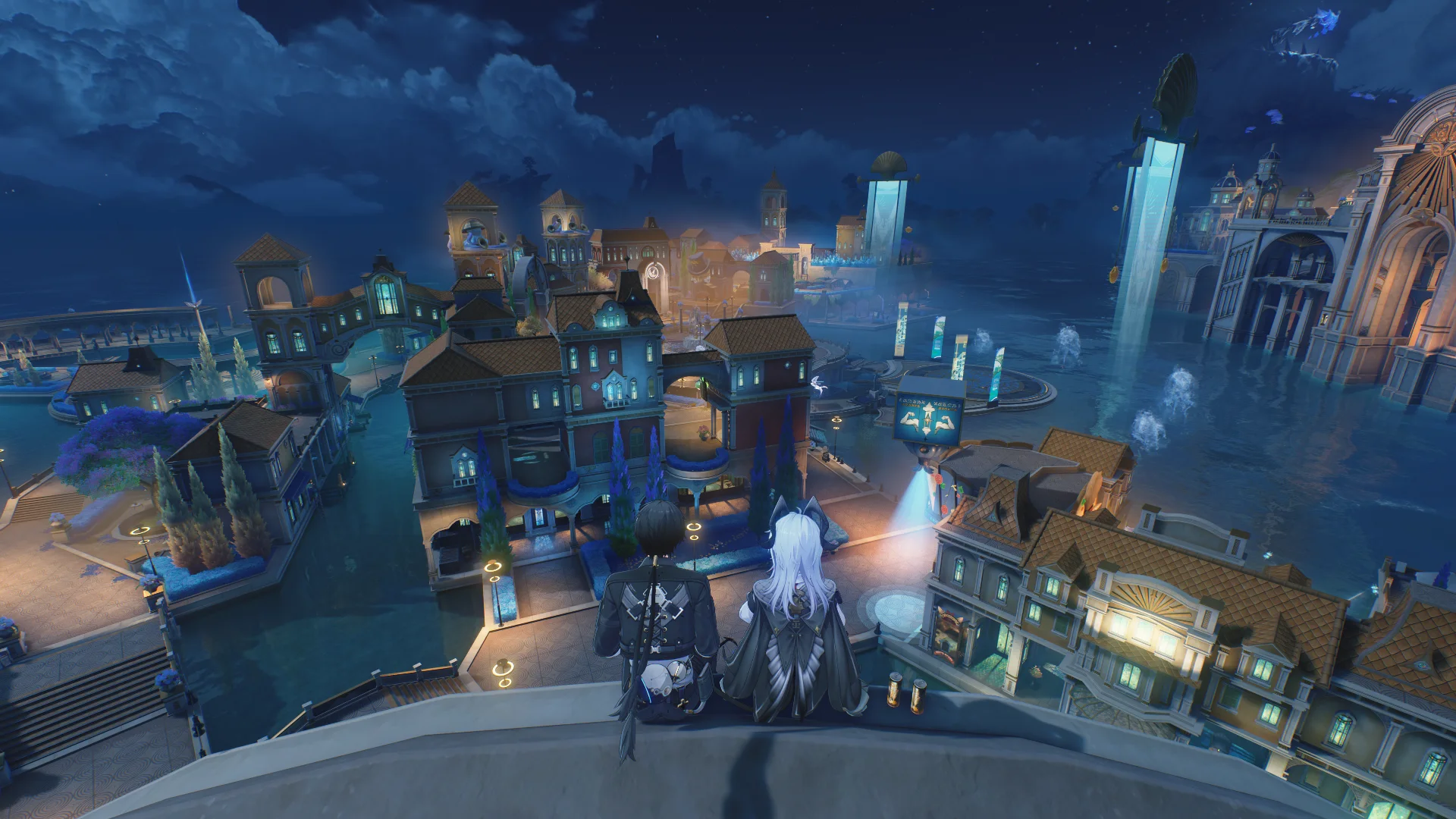
The change was not limited to headline cinematics. Even routine scenes looked more deliberately staged, something Rinascita made especially clear.
Shortly before Version 2.0, Solon explained the standard Kuro was trying to follow:
"If a player only has three minutes a day to play Wuthering Waves, then we need to make sure those three minutes are high quality."
That is a long way from what he had said when job candidates asked about the project's long-term future during development:
"As long as it can survive, that's enough."
By Version 2.0, survival no longer felt like the question.
Wuthering Waves had survived.
What becoming a face of gacha gaming means
When Wuthering Waves launched, nearly every conversation compared it with Genshin Impact. The comparison made sense. Both are free-to-play open-world RPGs with anime-style characters, exploration and a gacha system.
The difference now is that Wuthering Waves has developed enough of its own identity that the comparison is no longer the entire conversation.
At launch, combat was the easiest thing to point to. Now I don't think one feature can carry that argument by itself. What makes Wuthering Waves stand out is how its combat, graphics, music and storytelling have grown together.
The combat is still one of its greatest strengths. Dodging, parrying, character swapping, Intro and Outro Skills, Forte mechanics and Echo abilities keep the player involved. Building a strong team matters, but you still need to understand how that team moves.
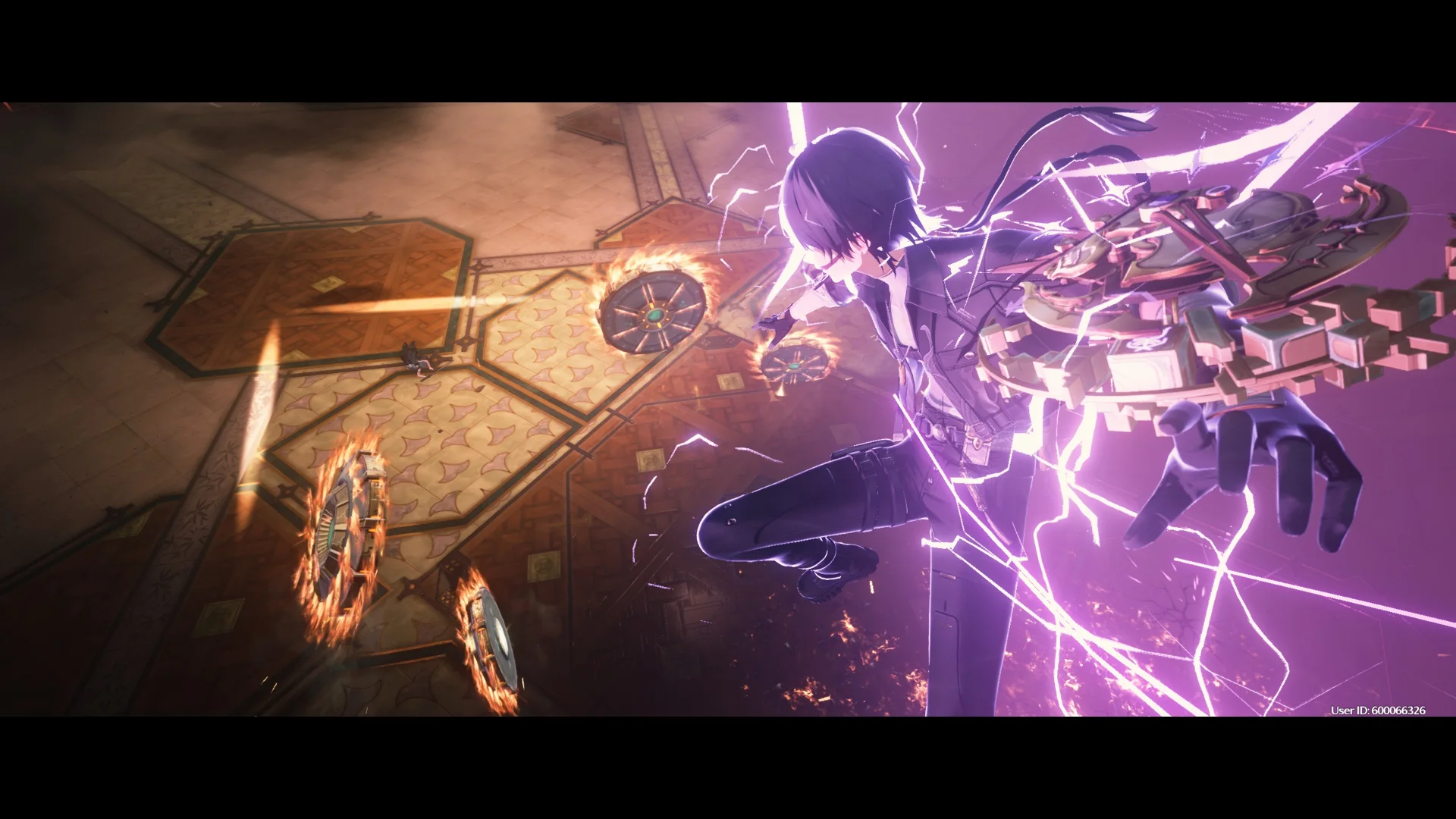
Characters also feel different in your hands. Their combat rhythms can completely change how a team plays. That matters in a game built around collecting characters. Pulling someone new should give you more than a different element and a larger number.
Movement follows the same idea. Wall-running, grappling, flight and the Expedition Motorbike make crossing the world enjoyable instead of something you tolerate on the way to the next objective.
The graphics and art direction have become just as important. The Black Shores and Rinascita do not feel like the same map with different decorations. Their architecture, lighting, landscapes and animation give them their own moods. One feels distant and solemn; the other is colorful, theatrical and full of movement.
The music gives those places a memory of their own. The Black Shores would not feel the same without its album, just as Rinascita's music is tied to its festivals, performances and larger-than-life atmosphere. The soundtrack is not simply playing behind the region. It becomes part of how I remember being there.
The story has improved as well. I don't think every piece of writing is suddenly perfect, but Kuro has become much better at presenting it. Later updates use camera movement, body language, in-game character models, objects and visual metaphors instead of expecting dialogue to carry every scene by itself.
That is why I now see Wuthering Waves as one of the games new action-focused gachas will be measured against. Does the combat feel as responsive? Do the characters actually feel different to play? Does each region have a visual identity? Does the music belong to that place? Can the story hold attention outside its biggest pre-animated cutscenes?
The story finally felt animated
It wasn't only the big cutscenes that improved. Rinascita was where I first noticed how much more Kuro trusted its in-game character models to carry the story, but Kuro did not stop there.
Earlier scenes could sometimes feel like characters standing in place while the dialogue did most of the work. Rinascita made the change obvious. The camera moved with the characters, they handled objects naturally, actually drank from cups and ate during conversations, and metaphors were presented visually instead of everything being explained through dialogue. Later regions have kept pushing that presentation further.
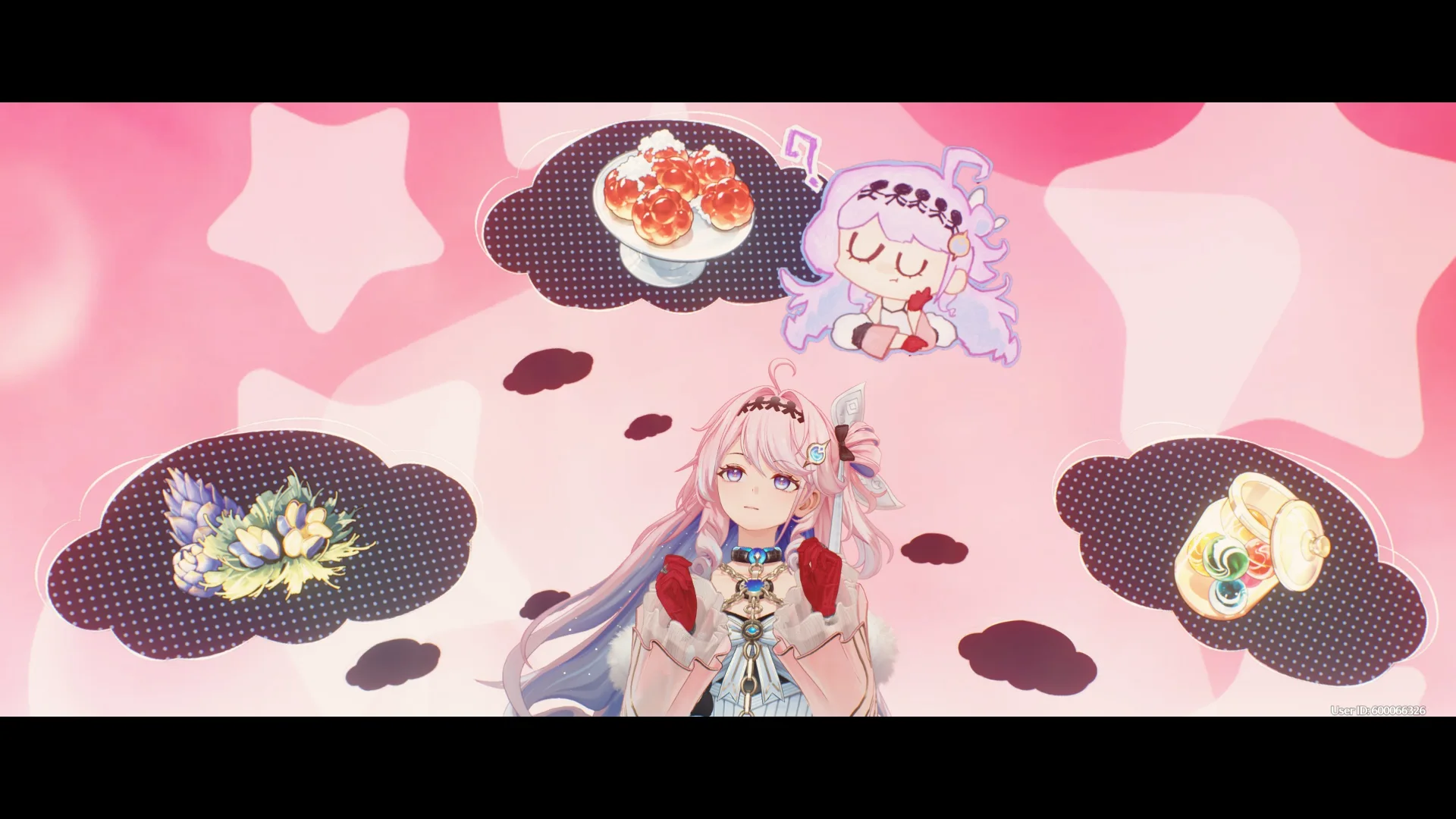
These may sound like small details, but together they made the scenes feel directed rather than simply played out. When I play the story now, there are moments when it genuinely feels like I am watching an anime or a movie. Even ordinary conversations have movement, body language and a stronger sense of place, so the story no longer has to wait for a pre-animated cutscene before it can feel cinematic.
The combat had already been strong. Rinascita showed that the storytelling and presentation could reach the same level, and the regions that followed have continued improving both.
Kuro Games' real success story
Kuro Games did not release a perfect game and immediately take over the genre.
It moved from a smaller action RPG into its largest project, built a global publishing operation, launched with visible problems and then had to improve the game while millions of people were already playing it.
That makes the story more interesting to me. Wuthering Waves did not become successful because everything went according to plan. It became successful because Kuro managed to turn early attention into something more lasting.
The game now has its own community, visual identity and expectations attached to its name. Major updates can bring it back to the top of platform charts, and collaborations such as Cyberpunk: Edgerunners feel like events rather than attempts to rescue a fading game.
At launch, Wuthering Waves was the game being compared with everything else. Now it has become one of the games everything else gets compared with.